What do rental companies charge to pass on a fine?
A camera flash in a hire car produces two bills: the fine from the state, and a fee from the rental company for giving the police your name. The second depends more on the country than on the brand.
Short answer
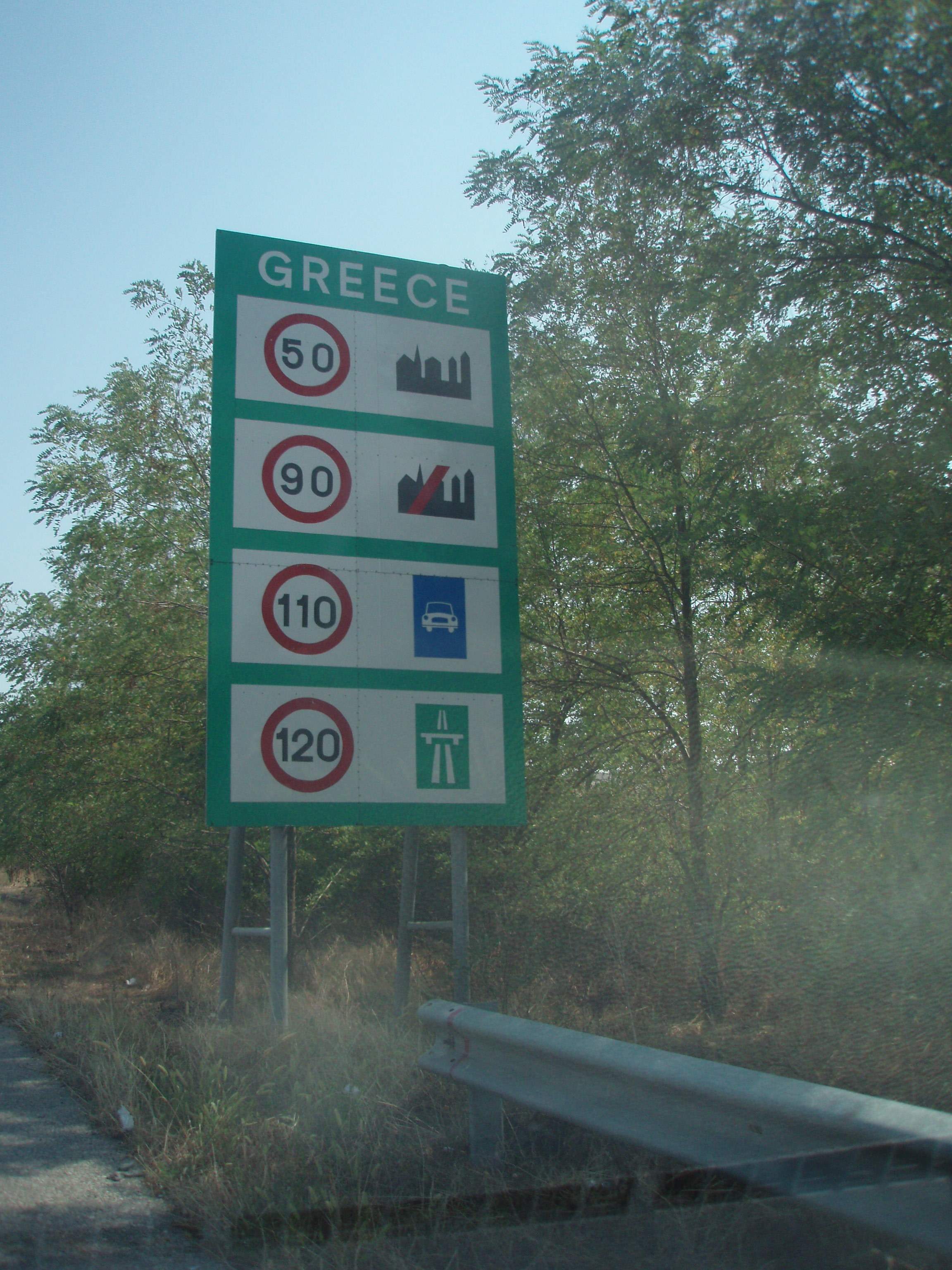
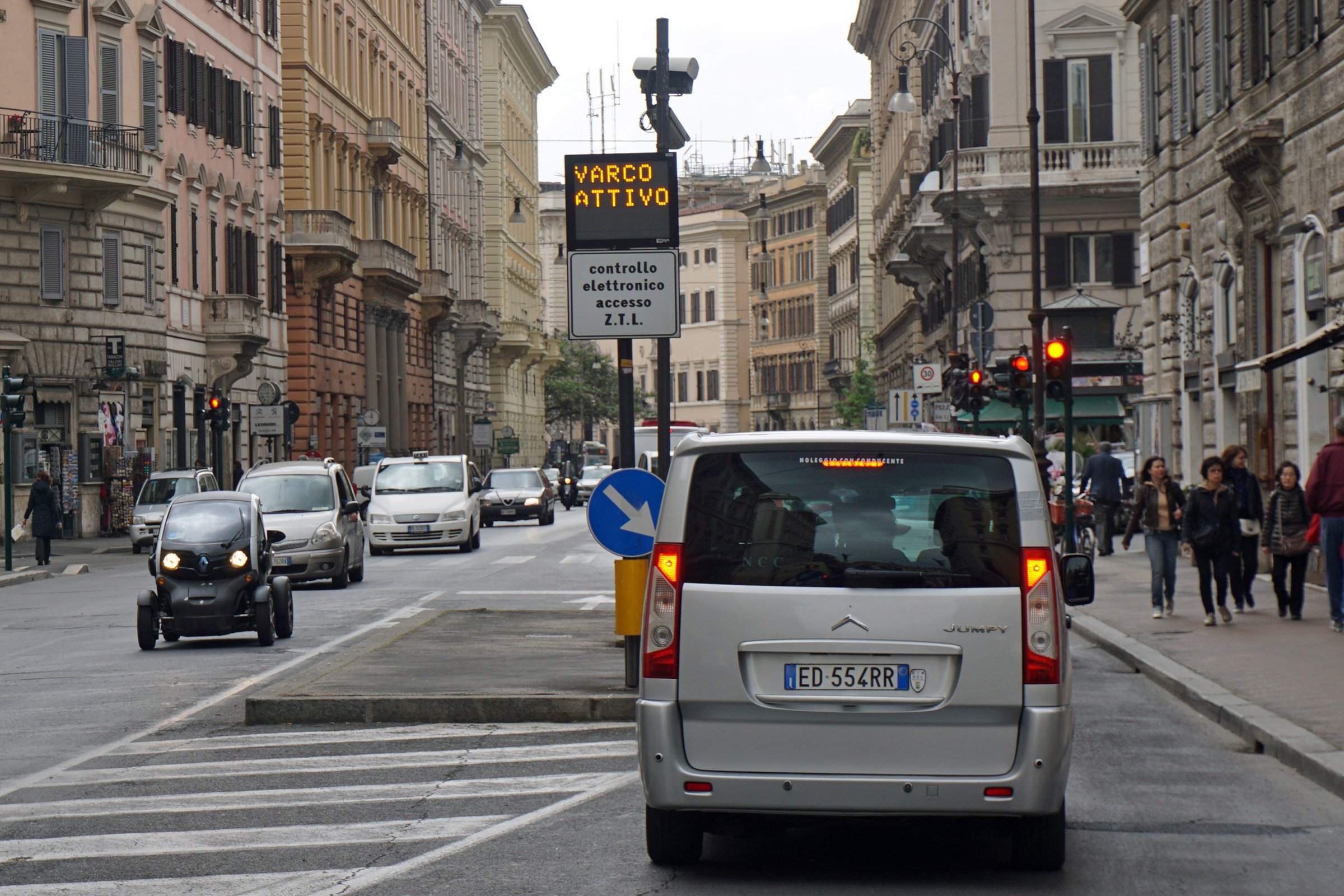
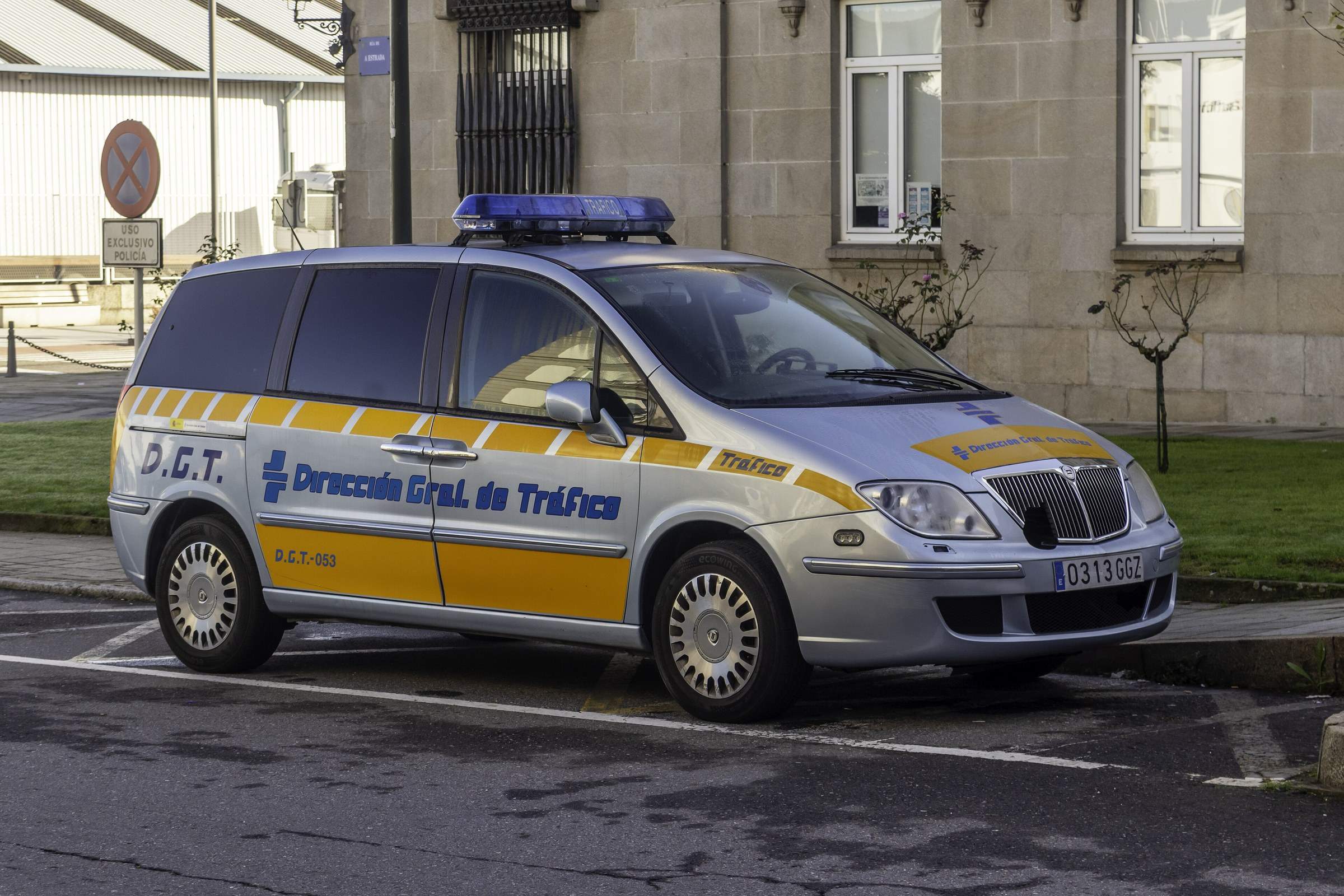
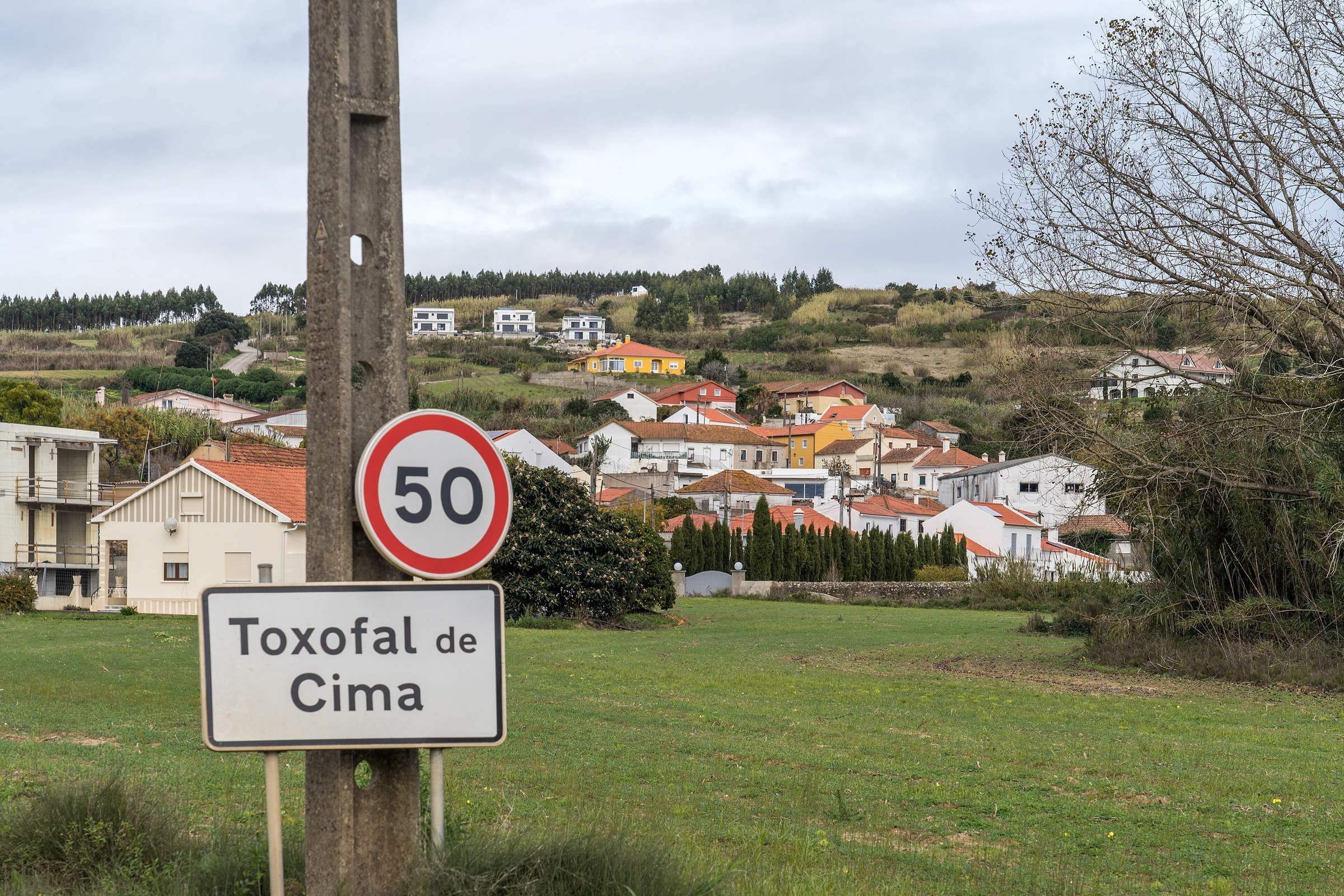
On top of the fine itself, most hire companies charge a fee for naming you to the authorities: €25 to €120 in Greece, €25 to €60 in Portugal, about €40 at six companies in Spain and €25 to €75 plus VAT in Croatia. Italy is the exception. After its competition authority ruled such fees unfair, Avis, Europcar, Goldcar, Hertz and Sixt charge private renters nothing there.
-
-
-
-
-

Two bills from one camera
Hire cars are registered to the rental company, so a camera fine or an unpaid notice goes to the company first. The company doesn’t pay your fine. It tells the authority who had the car, and the authority then writes to you.
That step is a legal duty, not a favour. Spanish traffic law makes a vehicle’s owner identify the driver within 20 calendar days, and the DGT, Spain’s traffic authority, says the procedure is free; for a rental company, a copy of the contract does the job. Greece allows the owner 7 days to name, in a sworn declaration, whoever drove a car caught without being stopped. Most companies still charge you for doing it, and that charge is the admin fee.
So the fine and the fee are separate debts with separate rules. Paying early can cut the fine; it never cuts the fee.
One company, five different fees
| Company | Greece | Italy | Spain | Portugal | Croatia |
|---|---|---|---|---|---|
| Avis | €30, also after any accident, per its Latin American booking site | None; business hires only | €33.88, ruled abusive in 2026 | €40.59 mainland | Quoted as €33, €40 and €42 on one page |
| Centauro | €40, refunded if the fine is cancelled | No fee stated | €40, refunded if cancelled | €40, refunded if cancelled | – |
| Europcar | €35 plus VAT, only if unpaid when you leave | None | €40.37 | €36.90 | Charged; amount not published |
| Firefly | – | – | – | – | €75 plus VAT, if it pays the fine for you |
| Goldcar | €40–€120 | None | €40; one clause says €50 | €40 | €35–€50 |
| Hertz | €30 plus VAT | None | €40 | €49.20 | €62.50 |
| OK Mobility | Up to €25 | None listed | None listed | Up to €25 | Up to €25 |
| Record go | €40; €50 more if costs land on the company | €40, for its legal service | €40, worded as an optional service | €40 | – |
| Sixt | Charged only if Sixt has to step in; amount not published | None | Up to €15 | €60 | Charged; amount not published |
Read across a row and the brand stops predicting anything. Hertz charges a private renter nothing in Italy and €62.50 in Croatia. Sixt goes from nothing in Italy to a €15 cap in Spain and €60 in Portugal. Only Record go and Centauro hold steady, at €40 wherever they publish a figure, and Centauro alone promises the money back if the fine is annulled. Apart from Sixt’s €15 cap in Spain, OK Mobility is the cheapest that charges at all: up to €25 in Greece, Portugal and Croatia, and nothing listed in Italy or Spain.
The difference is law, not cost. Italy’s competition authority ruled on 18 April 2024 that Avis Budget Italia and Hertz Italiana could not charge consumers a flat fee for fines or unpaid toll and parking notices, and banned both clauses (decisions CV242 and CV243). Hertz’s charge had been €26.23 a fine. Avis, Europcar, Goldcar and Sixt now apply their Italian fees to business hires only; Avis’s €31.72, for one, says consumers don’t pay it. Quote CV242 or CV243 if a fee appears on your card after a private hire. ZTL fines in Italy covers the zones that cause most of these letters.
Spain reached the same view by another route. Its consumer ministry fined Avis €1 million on 24 April 2026 for charging €33.88 to €45 per fine, reasoning that customers were paying for a duty the law already places on the company, and it has since dismissed Avis’s appeal. The decision binds Avis alone. Avis’s own Spanish terms still state €33.88, Europcar charges €40.37, and Centauro, Goldcar, Hertz and Record go still list €40, as the Spanish fines page sets out.
Why the letter arrives months later
Each country runs its own clock, and the rental company’s step sits in the middle of it.
| Country | The path to you | Pay less if you |
|---|---|---|
| Italy | A driver living abroad can be notified up to 360 days after the offence is established | Pay within 5 days of the notice: 30% off, unless the offence carries a licence suspension |
| Greece | The owner has 7 days to name the driver; a camera fine must then be paid within 8 months | Settle a roadside ticket before you leave, which also avoids Europcar’s fee |
| Spain | The owner has 20 calendar days to name the driver; the DGT then notifies you | Pay within 20 calendar days of receiving it: 50% off, giving up any appeal |
| Portugal | The company names you; ANSR writes to you | Pay within 15 working days: the minimum of the band, with no costs |
| Croatia | EU countries swap offence data, so a camera fine can follow you home | Pay the officer on the spot: half the minimum, for fines up to €265.45 |
Italy’s 360-day allowance is why a ZTL letter can arrive a year or more after the trip. Wherever a company charges a fee, it takes it when it names you, so the charge on your card often comes before the letter about the fine.
What you can change, and what you can’t
You can’t stop the company naming you. In Spain, an owner who doesn’t identify the driver of an offence that carries penalty points commits a very serious offence itself, so no company will refuse.
You can keep the company out of it. A fine paid to a Croatian officer, a Greek roadside ticket settled before your flight, or a parking ticket paid before you return the car never reaches the company’s desk. You can pay the fine itself quickly once the notice arrives. And you can challenge the fee where the law supports you: cite CV242 or CV243 for Avis or Hertz in Italy, or the Spanish ministry’s Avis decision in Spain.
Paid add-ons don’t help here. Goldcar’s Fines Solution in Spain, at €4.24 a day, leaves its €40 fee in place, and Europcar’s Fine Appeal Waiver, at €4.22 a day, doesn’t remove the fine.
Fine fees: what renters ask
What is Hertz’s fine admin fee?
It depends on the country: €30 plus VAT in Greece, €40 in Spain, €49.20 in Portugal and €62.50 in Croatia, for each fine. In Italy, Hertz charges private renters nothing.
Why did a fine arrive months after the car went back?
Because it travels through the rental company. The authority writes to the company, the company names you, and only then are you notified. Italy allows up to 360 days for a driver living abroad.
Is a rental company’s fine admin fee legal?
It has been challenged in two countries. Italy’s competition authority ruled Avis’s and Hertz’s fees unfair to consumers in 2024. In Spain, the consumer ministry imposed a €1 million penalty on Avis in 2026 over the same kind of charge. Elsewhere the fee is in the terms you sign, so it stands unless a court or regulator says otherwise.
Unpaid tolls travel the same route, with the same fees: see tolls in a hire car. For how we grade each company’s terms, see our methodology.
How we checked
We read 30 official documents from 9 rental companies, most recently on 28 November 2026. Where a company's terms are silent, unclear or contradict each other, we say so. How we research
Show the sources
Other official sources (12)
- AGCM decision CV242, Avis Budget Italia, 18 April 2024 (extract)
- AGCM decision CV243, Hertz Italiana, 18 April 2024 (extract)
- Spanish Ministry of Social Rights, Consumer Affairs and 2030 Agenda: Avis fined €1 million over fine-handling fees
- Spanish Ministry of Consumer Affairs: order dismissing Avis's appeal (recurso 73-26) against the sanction of 24 April 2026
- DGT (Spanish traffic authority): identifying the driver of your vehicle (a free procedure, 20 calendar days)
- DGT: paying a fine, and the 50% reduction within 20 calendar days
- Codice della Strada, art. 201 (90-day and 360-day notification deadlines), text via Brocardi
- Codice della Strada, art. 202 (minimum within 60 days, 30% off within 5 days), text via Brocardi
- National Register of Administrative Procedures (mitos.gov.gr): police fines for Highway Code offences, 7-day declaration and 8-month payment deadline (in Greek)
- ANSR (Portuguese road safety authority): frequently asked questions in English
- gov.hr: penalties for traffic offences committed by foreign nationals
- Your Europe (European Union): road rules and safety, traffic offences abroad
Change log (2)
- 28 November 2026: OK Mobility's fee added (up to €25 in Greece, Portugal and Croatia, none in Italy or Spain); Avis now from its European terms (€33.88 in Spain, €40.59 in Portugal, none for private renters in Italy, three different figures in Croatia); Europcar Spain €40.37; Record go Greece €40; Firefly Croatia €75 plus VAT.
- 27 November 2026: First published.